
Five more cinereous vultures have arrived in Bulgaria from Spain as part of the ongoing efforts to restore the species in the Eastern Rhodope Mountains within the LIFE Rhodope vulture project.
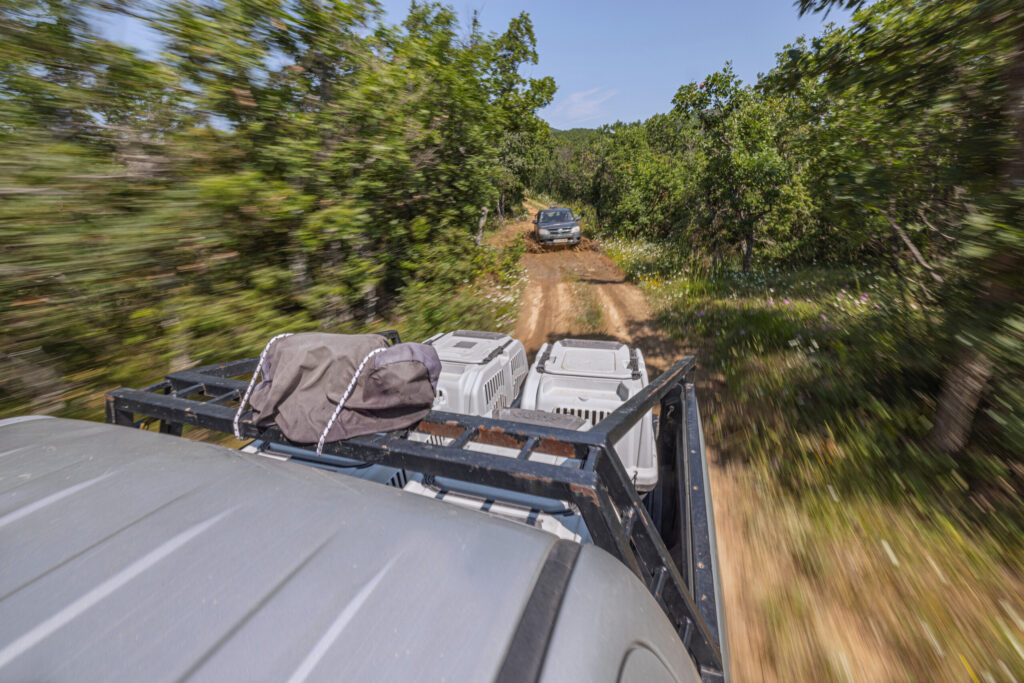
The transfer was made possible through the collaboration between the Spanish conservation organization GREFA, the Bulgarian Society for the Protection of Birds (BSPB), and the Rewilding Rhodopes Foundation.
The birds travelled more than 3,300 kilometres across Europe over the course of three days under the constant supervision of conservation experts.“The birds are in very good condition after the long journey and were carefully monitored throughout the transport,” said Dr. Dobromir Dobrev, project coordinator.
Following their arrival, the vultures will spend several months in a specialised adaptation aviary in the Eastern Rhodopes before being released into the wild. Since the beginning of the reintroduction programme, a total of 40 cinereous vultures have already been released in the region.
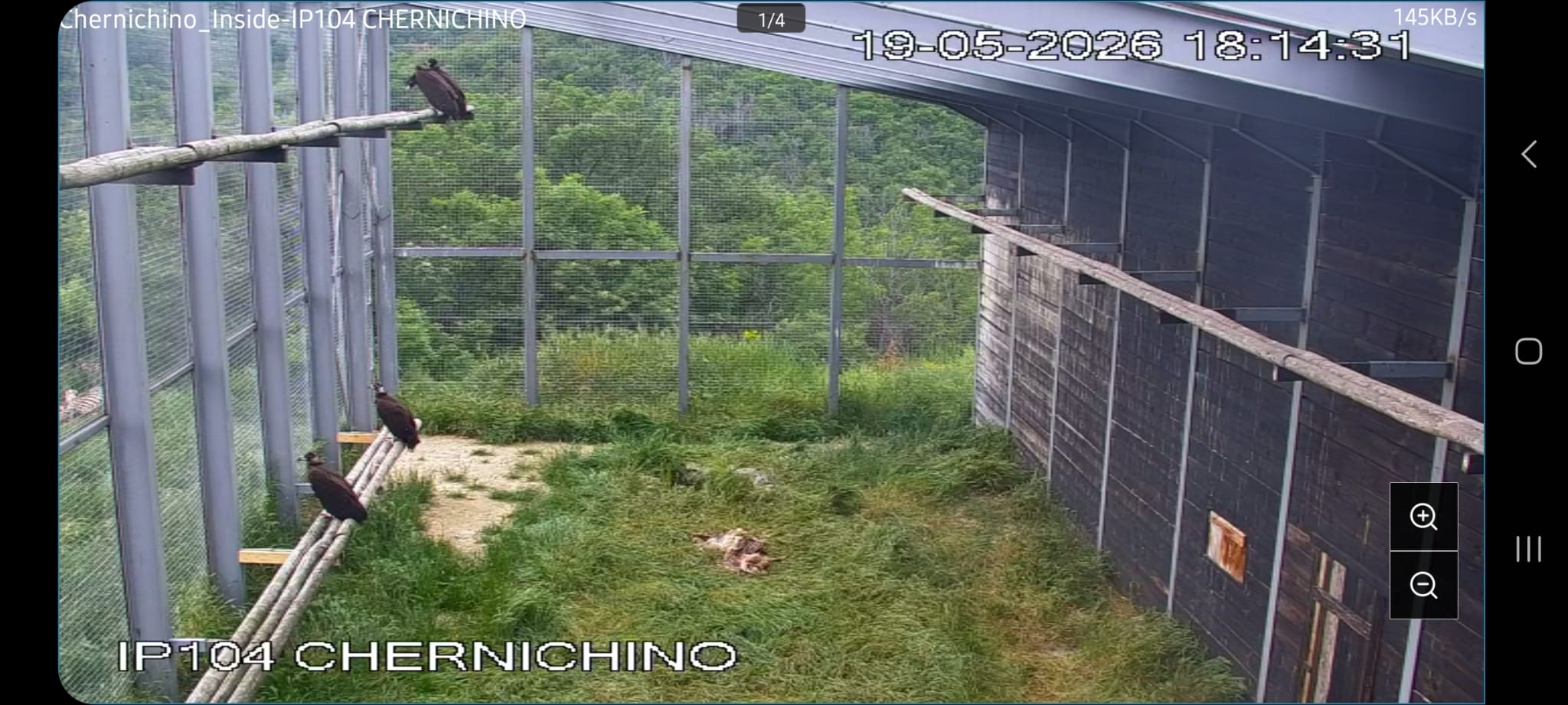
The arrival of the new birds comes at an especially important moment for the programme. Only three years after the start of the reintroduction efforts, cinereous vultures are breeding again in the Bulgarian part of the Eastern Rhodopes after more than 30 years of absence. This year, experts recorded eight breeding pairs, three of which successfully raised chicks – a historic conservation achievement for Bulgaria.
The cinereous vulture is the largest vulture species in Europe and one of the rarest birds on the Balkans. Historically widespread in Bulgaria, the species disappeared as a breeding bird in the country by the end of the 20th century. Today, thanks to international cooperation, long-term conservation work, and the support of local communities, cinereous vultures are gradually returning to the Rhodope Mountains.
The activities are implemented within the LIFE project “Restoration of the Cinereous vulture population and trophic chain in the Bulgarian-Greek cross-border region” (№ 101148254 – LIFE23-NAT-BG-LIFE Rhodope Vulture), coordinated by BSPB in partnership with the Rewilding Rhodopes Foundation, with the support of the European Union’s LIFE Programme and Rewilding Europe.
