
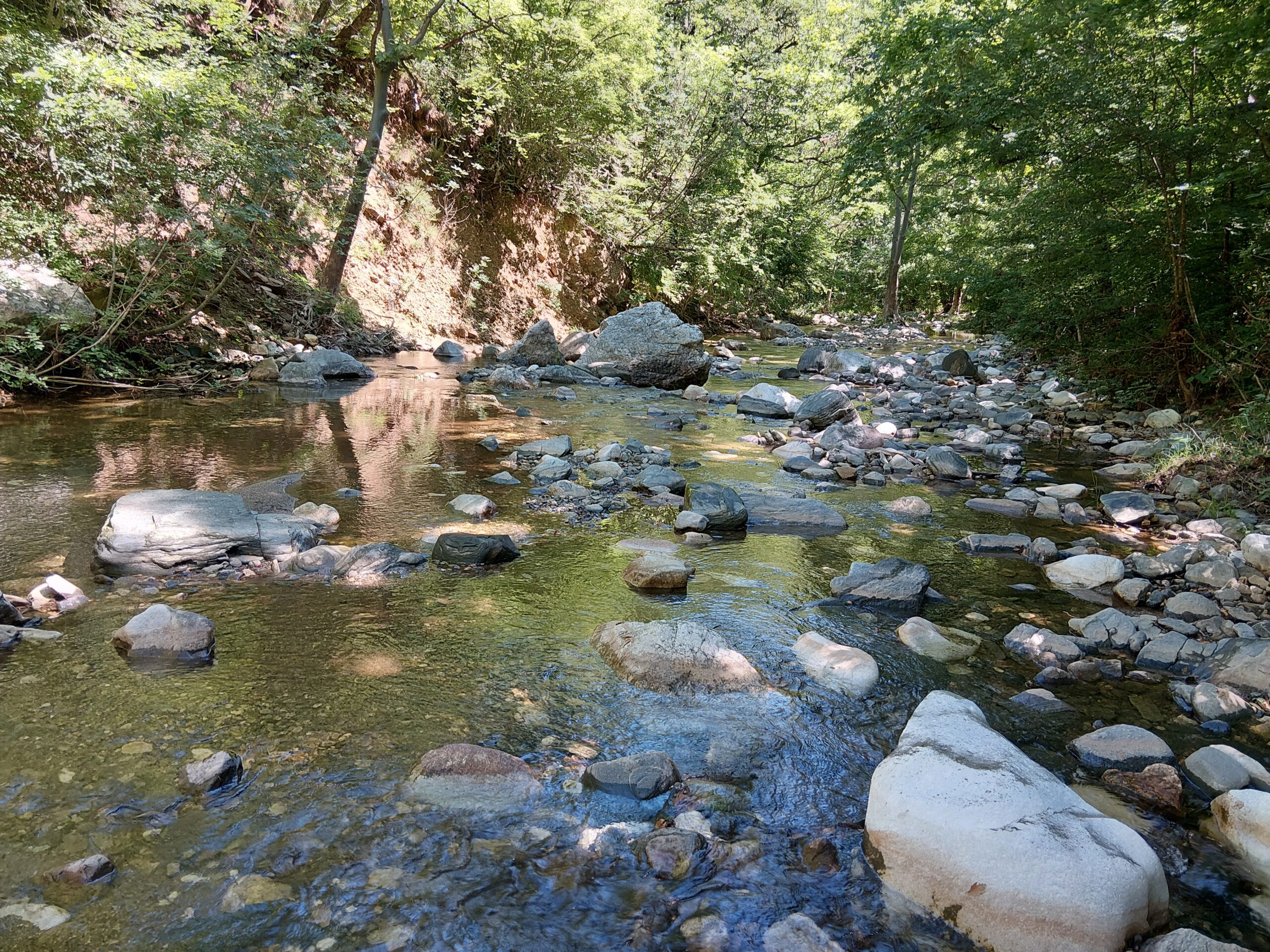
In August, our teams concluded their field surveys across the Arda River basin. Behind this crucial phase of the “Rewilding Arda” project lie hundreds of kilometers covered on foot – through thorns, thickets, and steep riverbanks. For every 10 kilometers of river surveyed, our experts logged an additional 2 to 4 kilometers in the wildest and most inaccessible corners of the Rhodope Mountains, where the rivers become almost impassable.
Thanks to this tireless effort, we now have a complete, comprehensive picture of river fragmentation in the region – the first and most critical step toward an objective assessment of river structures and toward restoring the natural pulse of the Rhodopes.
Between Millions of Concrete Barriers and the Search for Balance in River Systems
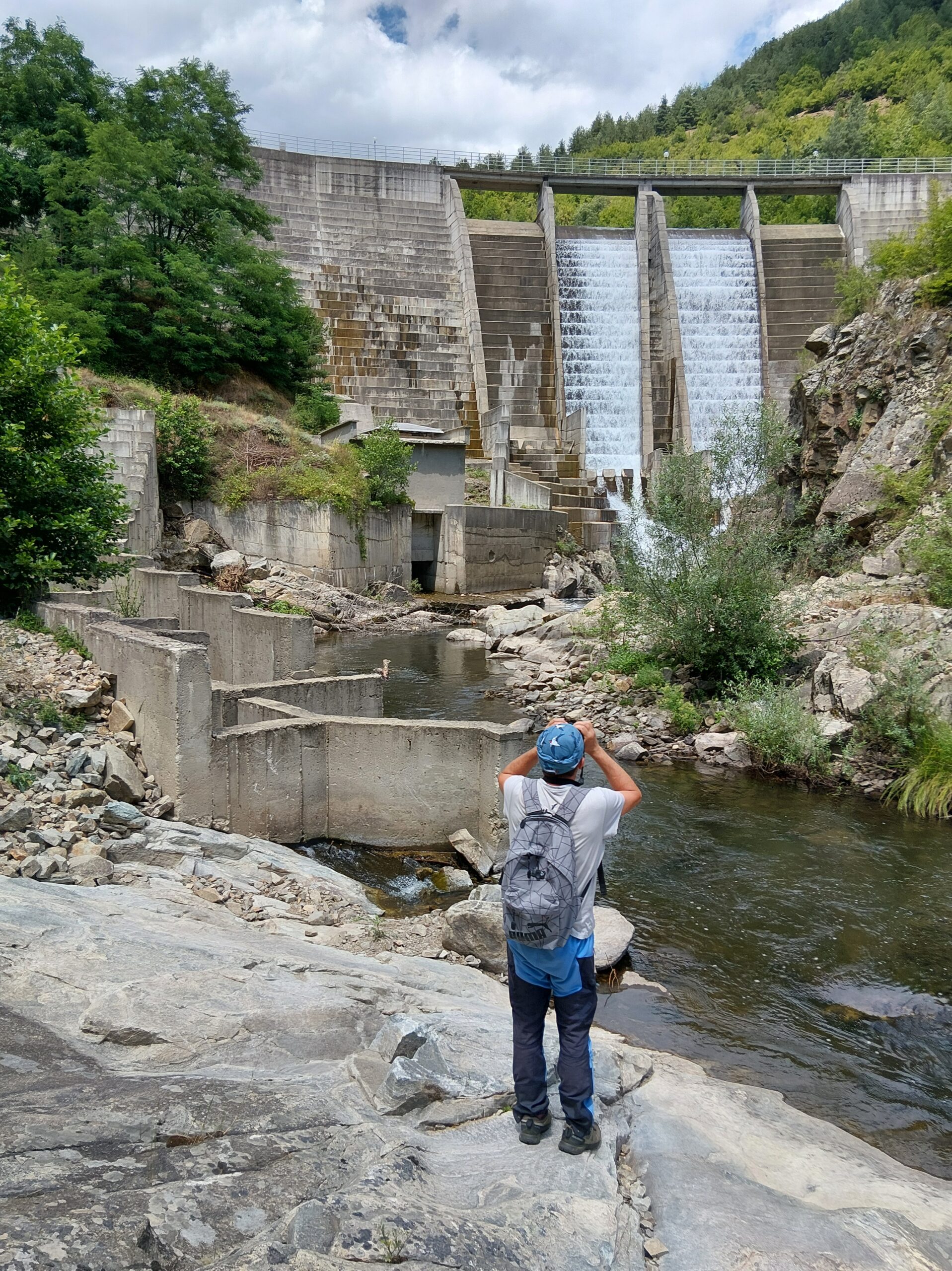
When we think of river barriers, we usually imagine massive hydro dams. The reality, however, is quite different. A major study published in the journal Nature (2020) revealed a startling statistic: there are over 1.2 million artificial river barriers across Europe – averaging nearly one barrier for every kilometer of river! And more than 68% of these structures are under 2 meters high. Completely invisible in official registers, they exert a devastating cumulative effect on ecosystems.
Built mainly over the past century for erosion control, torrent management, or various economic purposes, a large portion of these concrete sills, weirs, and check dams are now out of use. Over the decades, modern scientific assessments and field realities show that many of them no longer achieve their historical intended effects. Instead, they disrupt natural sediment transport, block fish migration, and worsen the erosion of riverbeds. Furthermore, a serious administrative paradox arises around these abandoned structures: although they have over time lost their functional purpose and currently damage river health, by law they continue to be listed as assets requiring ongoing maintenance.
From Satellite Imagery to Field Reality
Our project, “Rewilding Arda” (a 13-month initiative led by the Rewilding Rhodopes Foundation, supported by The European Open Rivers Programme), set an ambitious goal: to assess a minimum of 750 km of rivers. To ensure maximum thoroughness, our teams covered over 850 kilometers along more than 40 rivers within the Arda River basin – including the Varbitsa, Nedelinska, Davidkovska, Borovitsa, Krumovitsa, Kesebir, Malka Arda, Perperek, Cherna, Byala, Sivinska, Elhovska, Chepinska, and dozens of others.
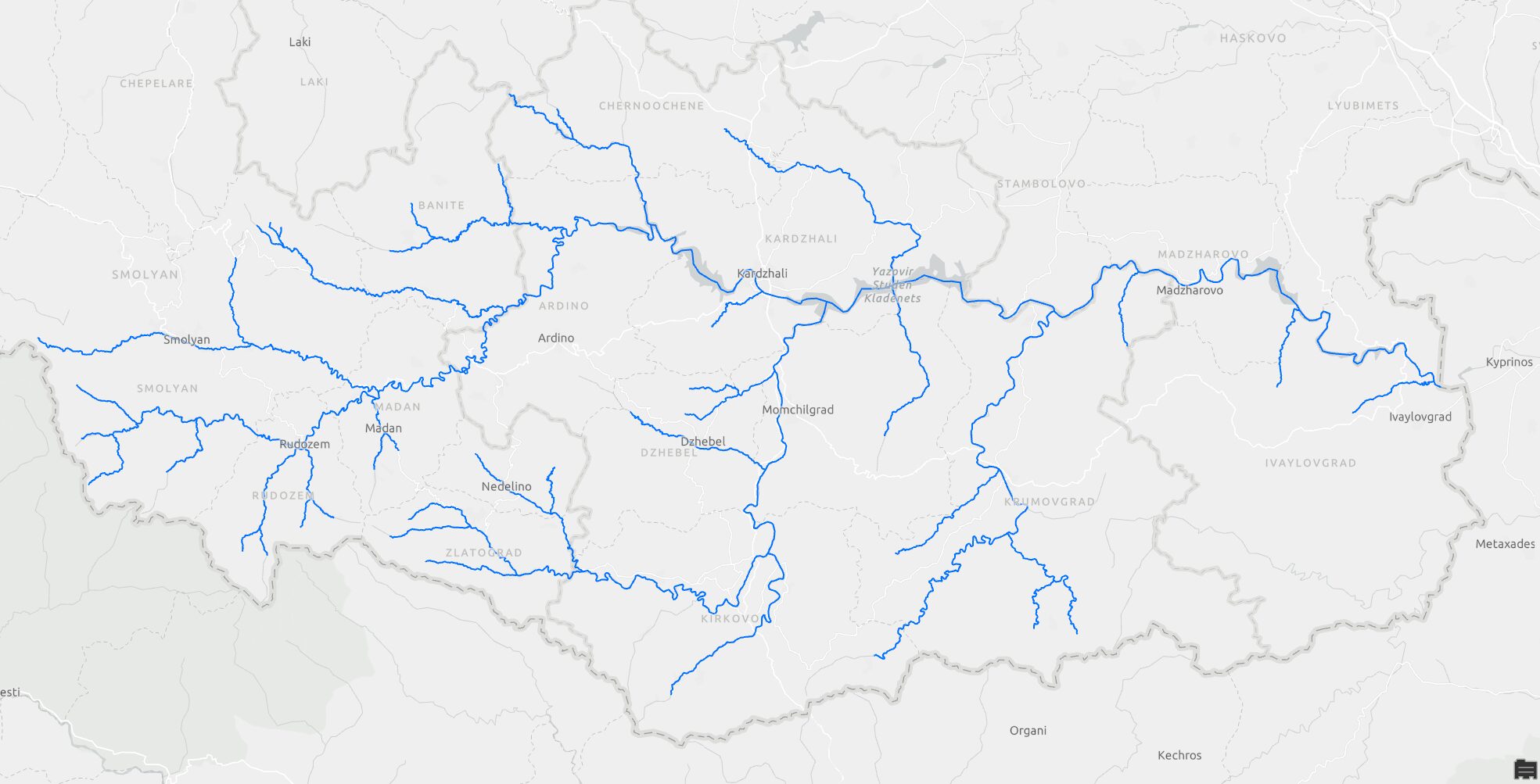
Initial satellite analysis pointed to approximately 170 expected barriers. On the ground, however, we identified nearly 400 structures! This highlights how severely fragmented the Arda basin is, as well as how underestimated the issue has been until now.
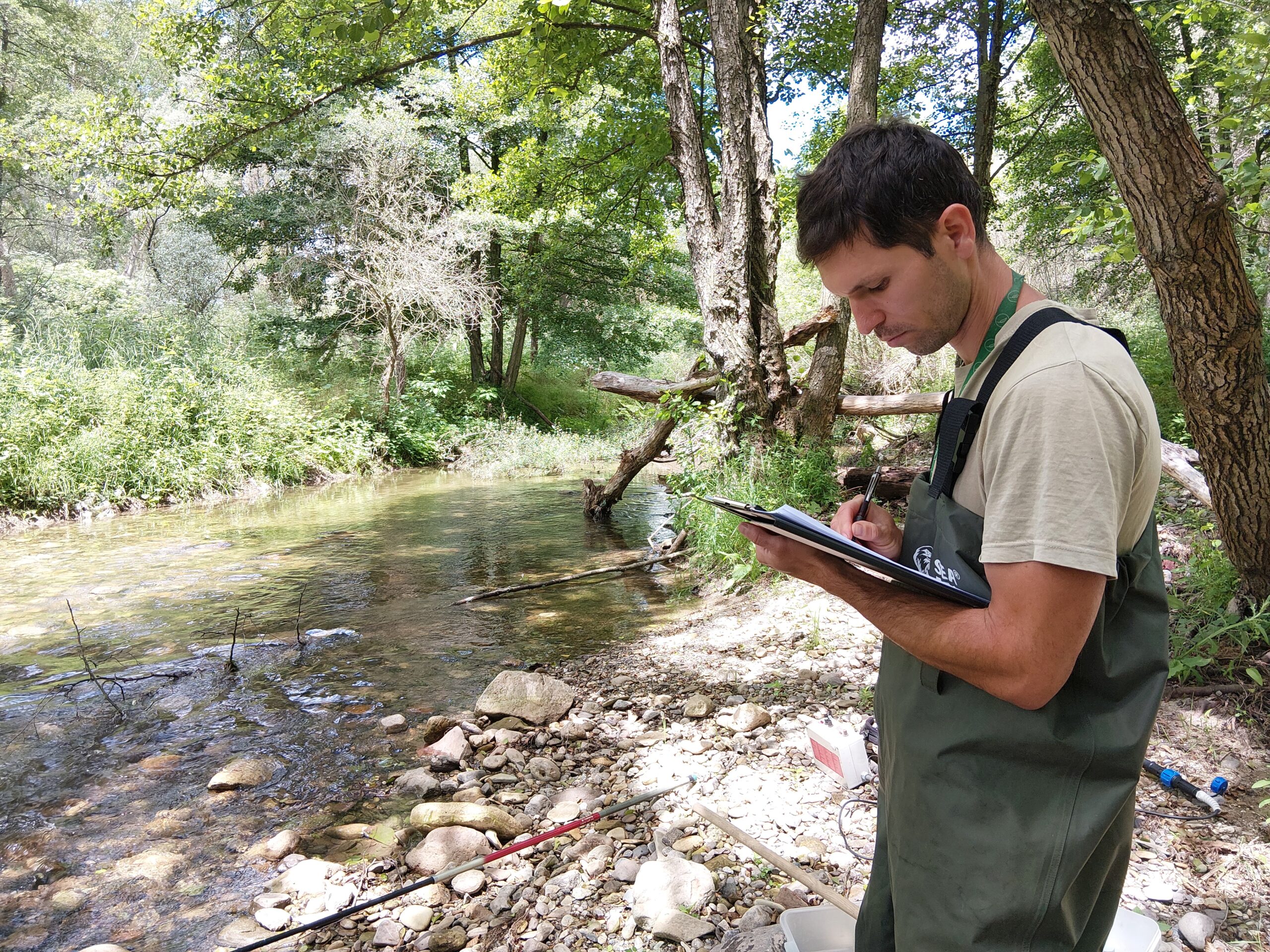
All these field surveys were accomplished thanks to 3 joint teams consisting of 6 specialists from the Rewilding Rhodopes Foundation, the National Museum of Natural History at the Bulgarian Academy of Sciences (NMNH-BAS), and the NGO “Balkani Wildlife Society” (who already hold extensive experience from a similar pilot project in the Yantra River basin). Our goal in the field was not simply to count barriers, but to assess them multidimensionally. For each structure, we collected data across 50 indicators – including spatial, technical, ecological, social, and legal parameters – while building a complete registry. The expertise of every team member was key to the project’s success.
Why “The Big River Needs Its Tributaries”?
Our expert Pencho Pandakov summarizes: “The big river needs its tributaries.” He elaborates that spring flows are vital for fish reproduction, making small streams their key to survival.
The connectivity between different river sections is crucial: during consecutive dry years, water flow in small tributaries drops, oxygen levels plummet, and fish face extreme stress. If obsolete barriers prevent them from moving toward deeper or free-flowing stretches, entire populations are lost.
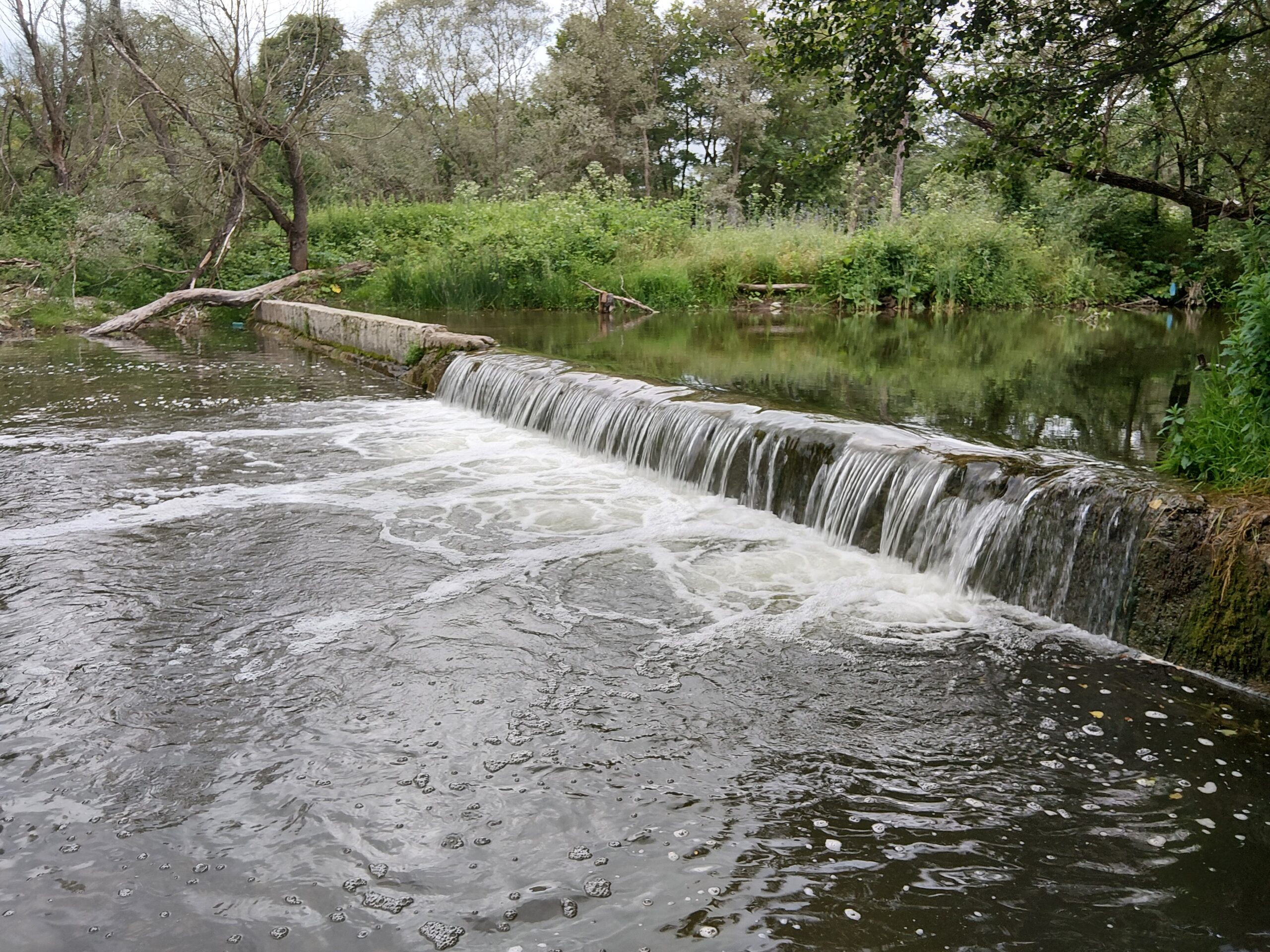
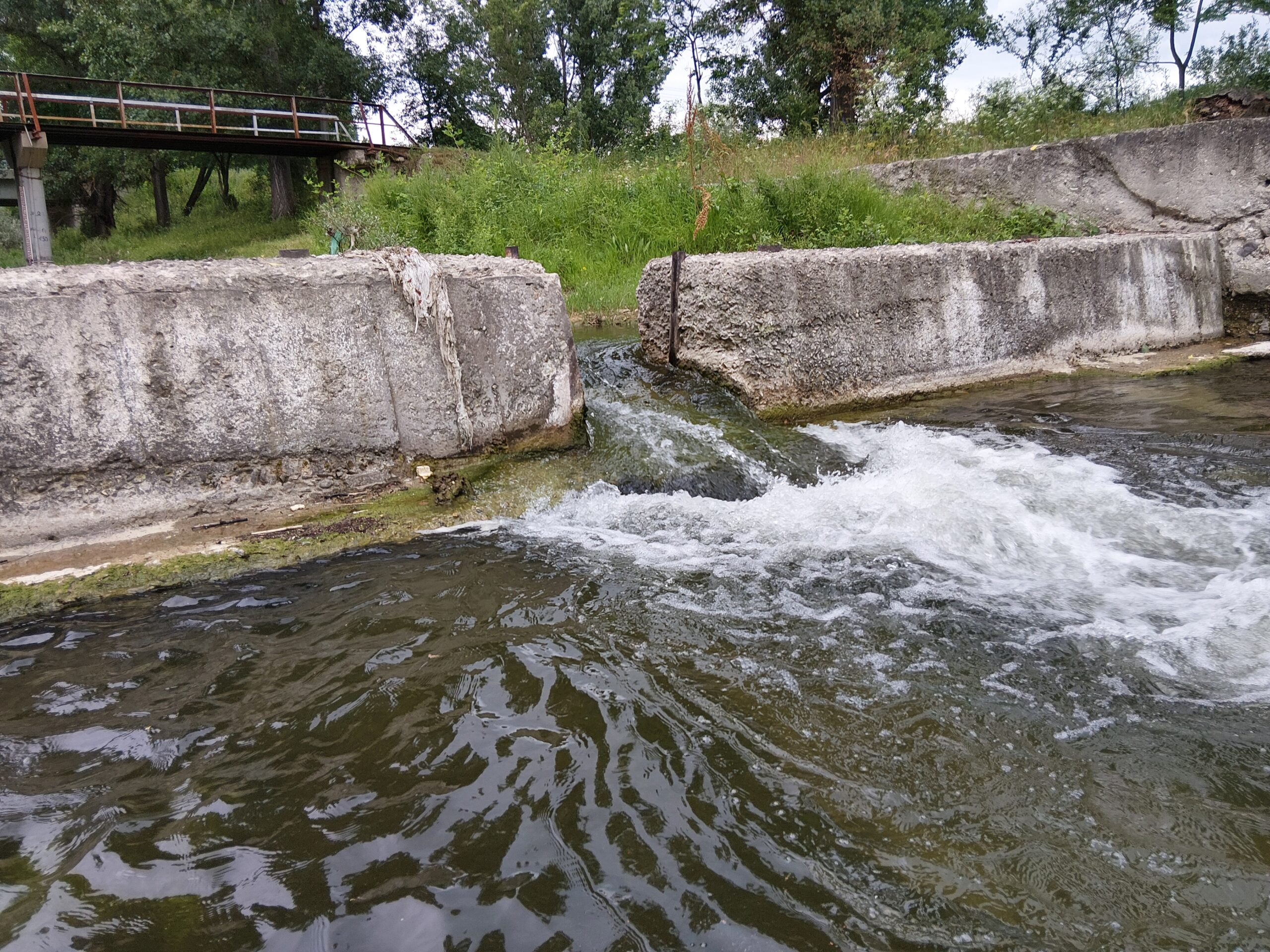
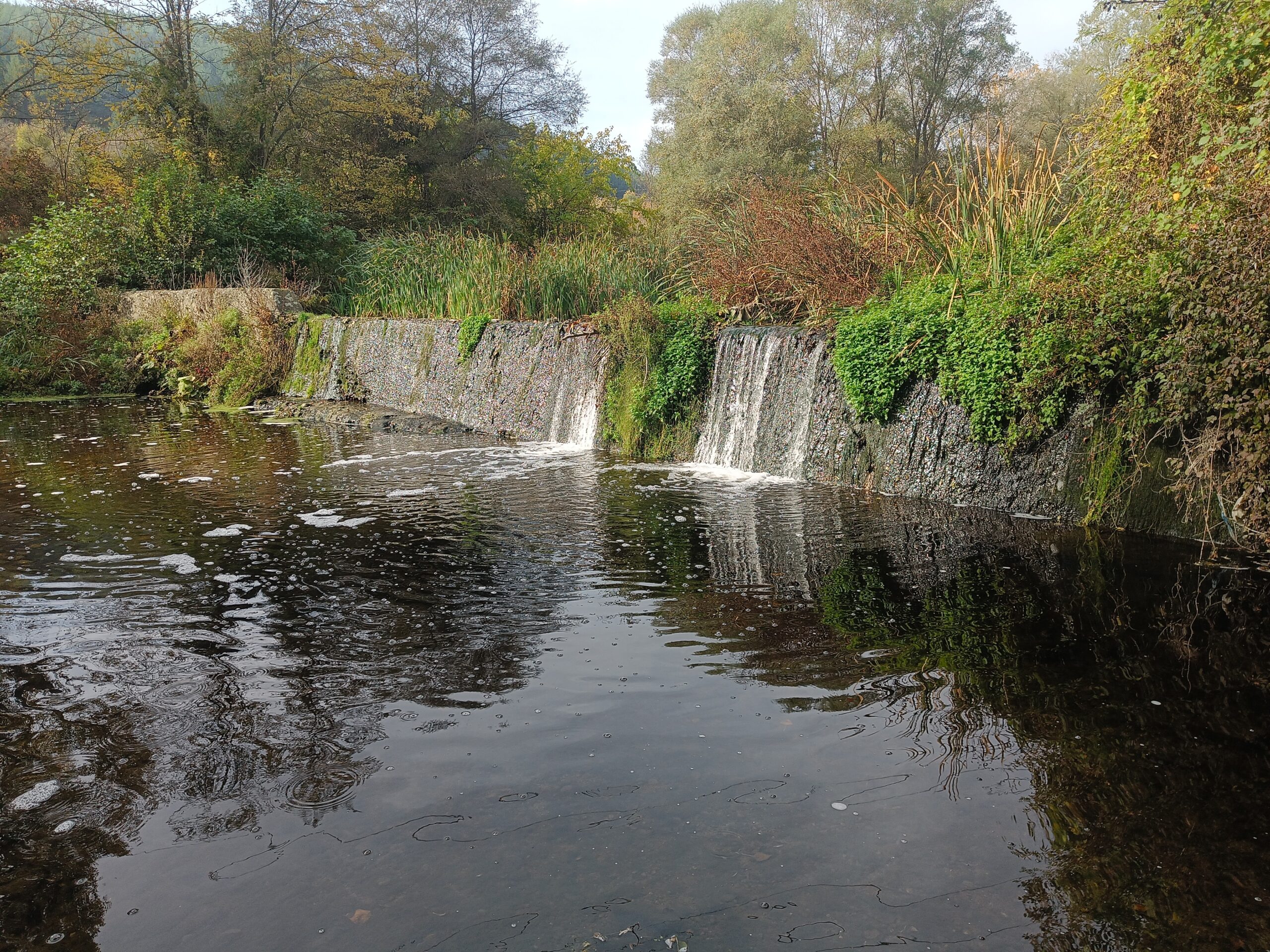
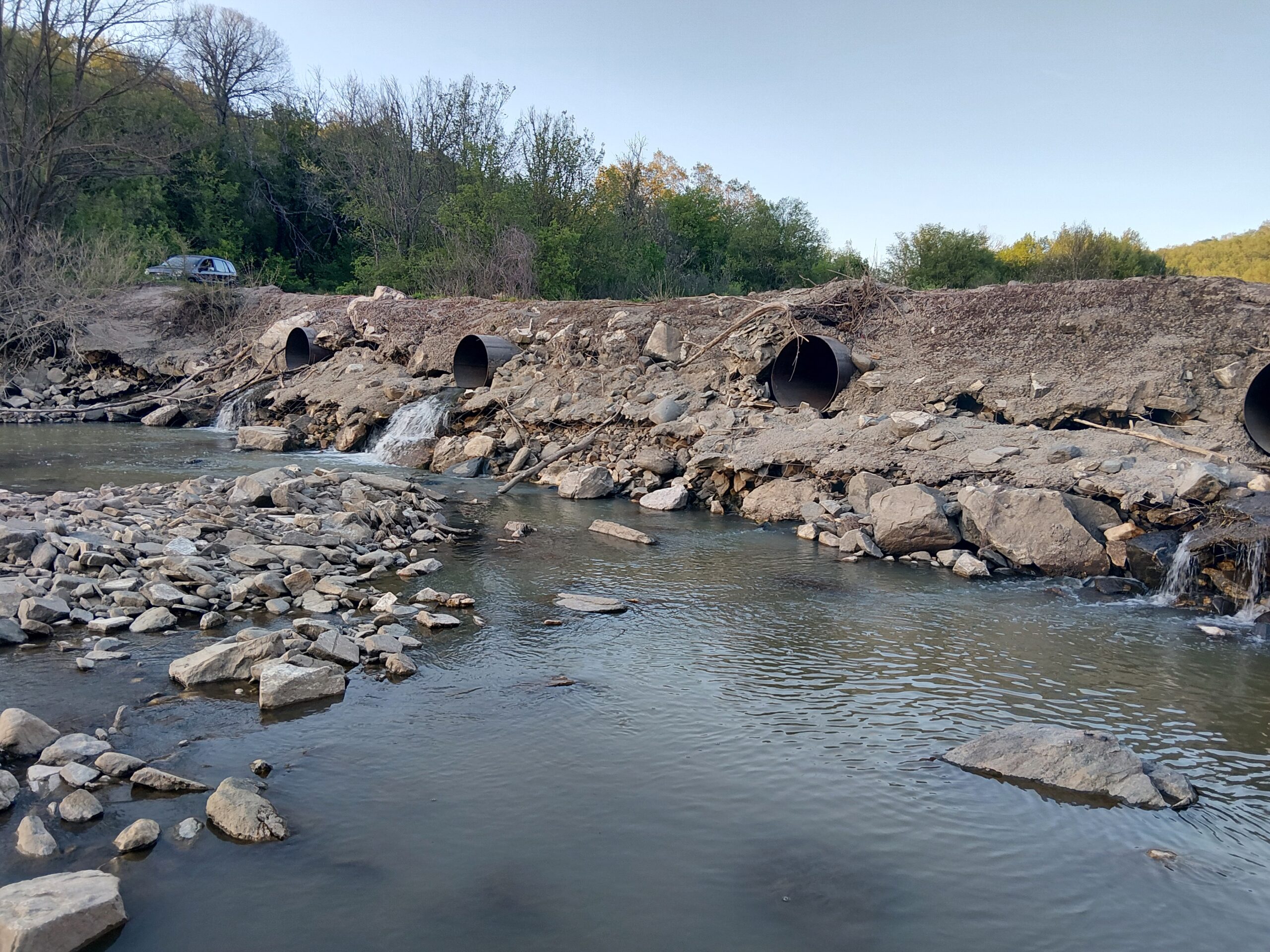
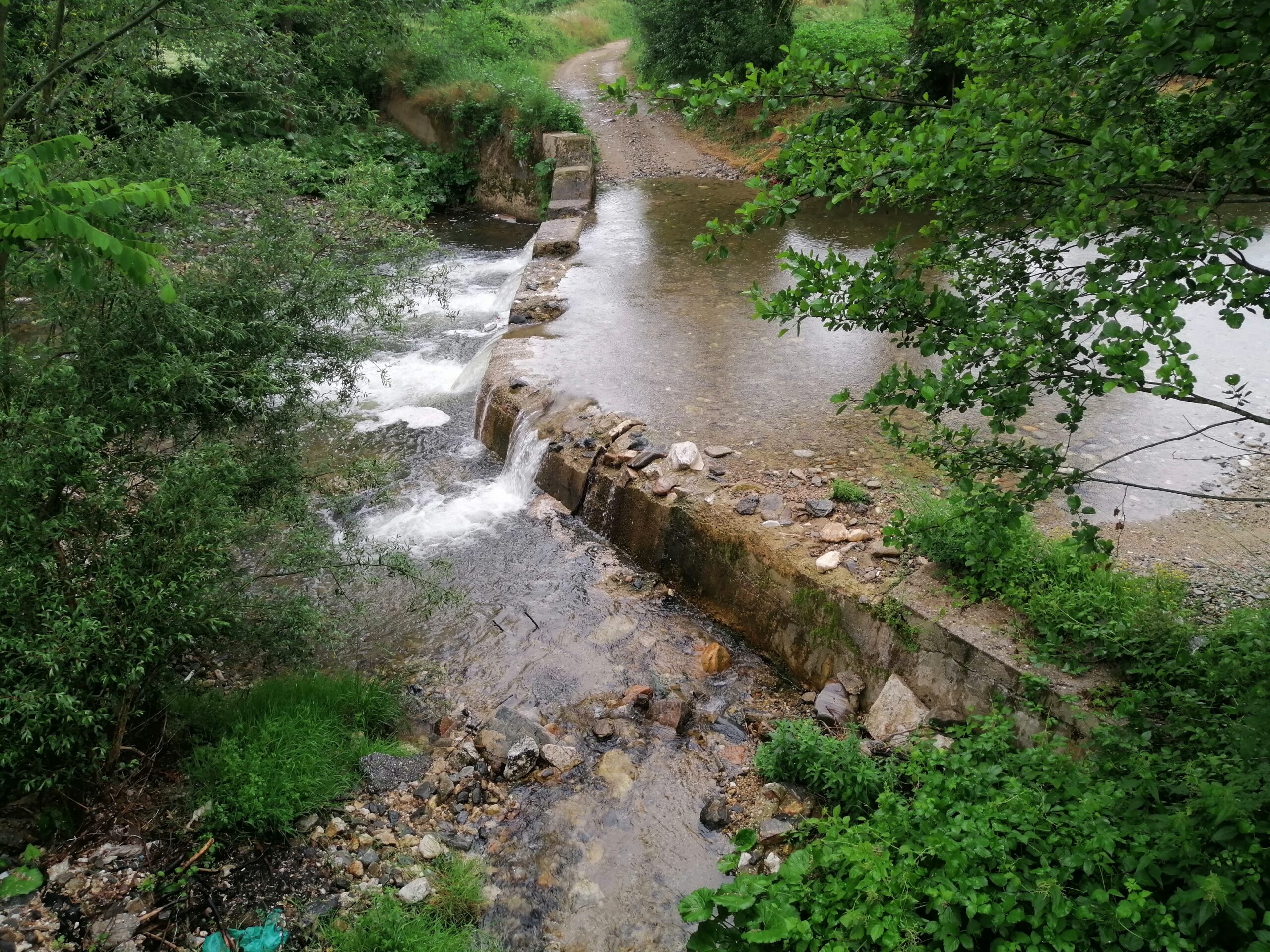
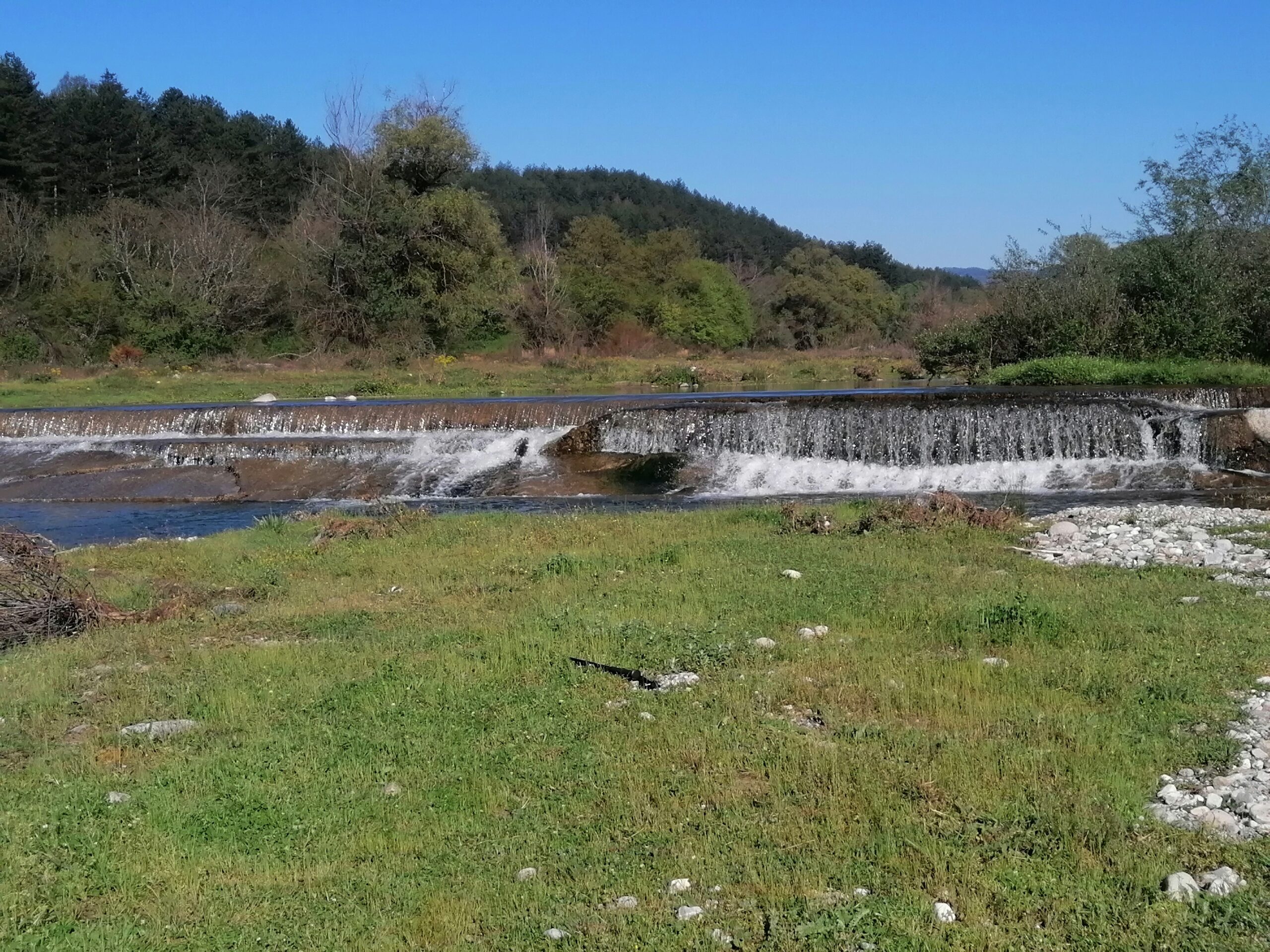
Fragmentation directly threatens the unique biodiversity of the Arda River basin:
- Vanishing Species: In the Arda River, the Asp (Aspius aspius / Leuciscus aspius) has disappeared following its fragmentation. As the largest predator among cyprinids in Bulgaria – reaching up to 12 kg in weight – it plays a critical role in maintaining the natural health balance of the aquatic food web. As a strongly rheophilic species, its habitat needs are highly specific: it requires free-flowing channels with high oxygen content, and in spring it undertakes long upstream migrations in search of rapids with clean gravel beds. Due to the dramatic decline in its populations, it is listed under Annex II of the EU Habitats Directive (Natura 2000), classified as “Endangered” in the Red Data Book of Bulgaria, and protected under the Biological Diversity Act. The presence of artificial barriers severs these migratory paths and halts its reproduction. At the same time, the Asp is one of the most prized trophy species for recreational fishing in the country. The loss of this iconic predator is a blow not only to nature but also to local communities, diminishing the region’s appeal and its potential for sustainable fishing tourism.
- Spawning Requirements: Species like the Aegean Barbel (Barbus cyclolepis) can survive in isolated stretches or sections locked between two barriers, but they cannot reproduce in stagnant waters or reservoirs. For egg deposition and incubation, they require clean river gravel kept in motion by flowing water, rather than silt and clay deposits.
 Domino Effect on Biodiversity: Barriers hinder an entire community of valuable species – including the Macedonian Trout (Salmo macedonicus), Vardar Nase (Chondrostoma vardarense), Vimba Bream (Vimba melanops), Strumica Spined Loach (Cobitis strumicae), Balkan Golden Loach (Sabanejewia balcanica), Bulgarian Gudgeon (Gobio bulgaricus), Orpheus Chub (Squalius orphaeus), and many others. In practice, they affect all river inhabitants, deteriorate the quality and quantity of surface and groundwater, and limit the self-purification capacity of rivers during pollution events.
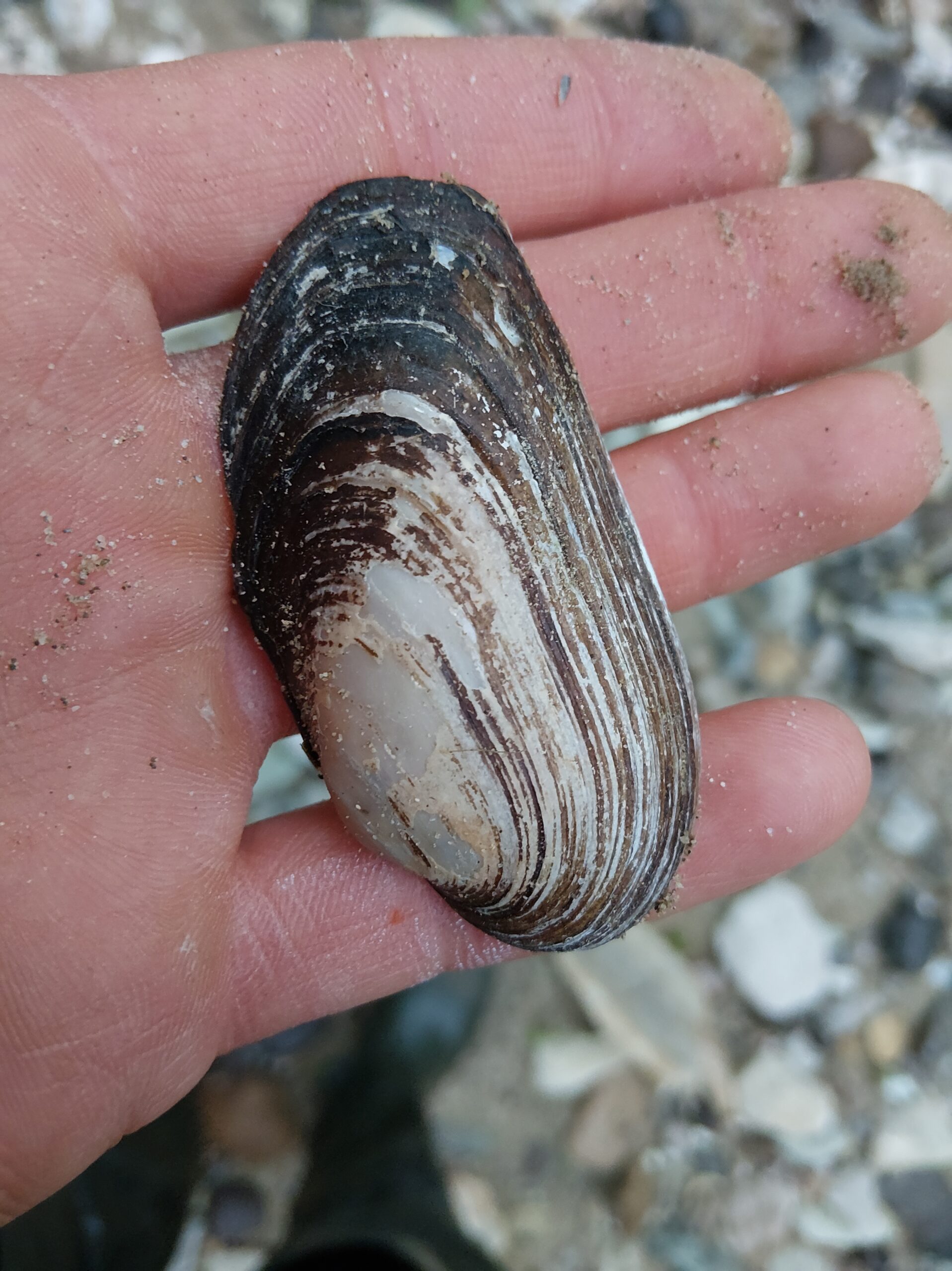
- Hidden Treasures: In tributaries of the Arda such as the Perperek River, we discovered refugia (shelters) for the Thick-shelled River Mussel (Unio crassus) – a protected species previously thought to have disappeared from the river basin. Restoring river connectivity is vital for the survival of these species and for the self-regulating processes of the entire ecosystem.
Analysis, Dialogue, and Balance of Interests
Restoring river connectivity does not mean blindly removing concrete structures. On the contrary, it requires careful selection and full consideration of all functions served by a given site. Over recent decades, leading developed nations in Europe and North America have made river connectivity restoration a state policy, focusing efforts on removing barriers that have lost their economic or social value. In the US, this has been standard practice for over 100 years (since 1912), while in Europe, countries like France (with over 3,500 removed barriers), Sweden, and Spain lead the way in “freeing river arteries.” Across the Balkans and Eastern Europe – in North Macedonia, Montenegro, Bosnia and Herzegovina, Croatia, and Ukraine – initial successful projects are already underway. More about the broader dam removal movement in Europe can be found on the website Dam Removal Europe.
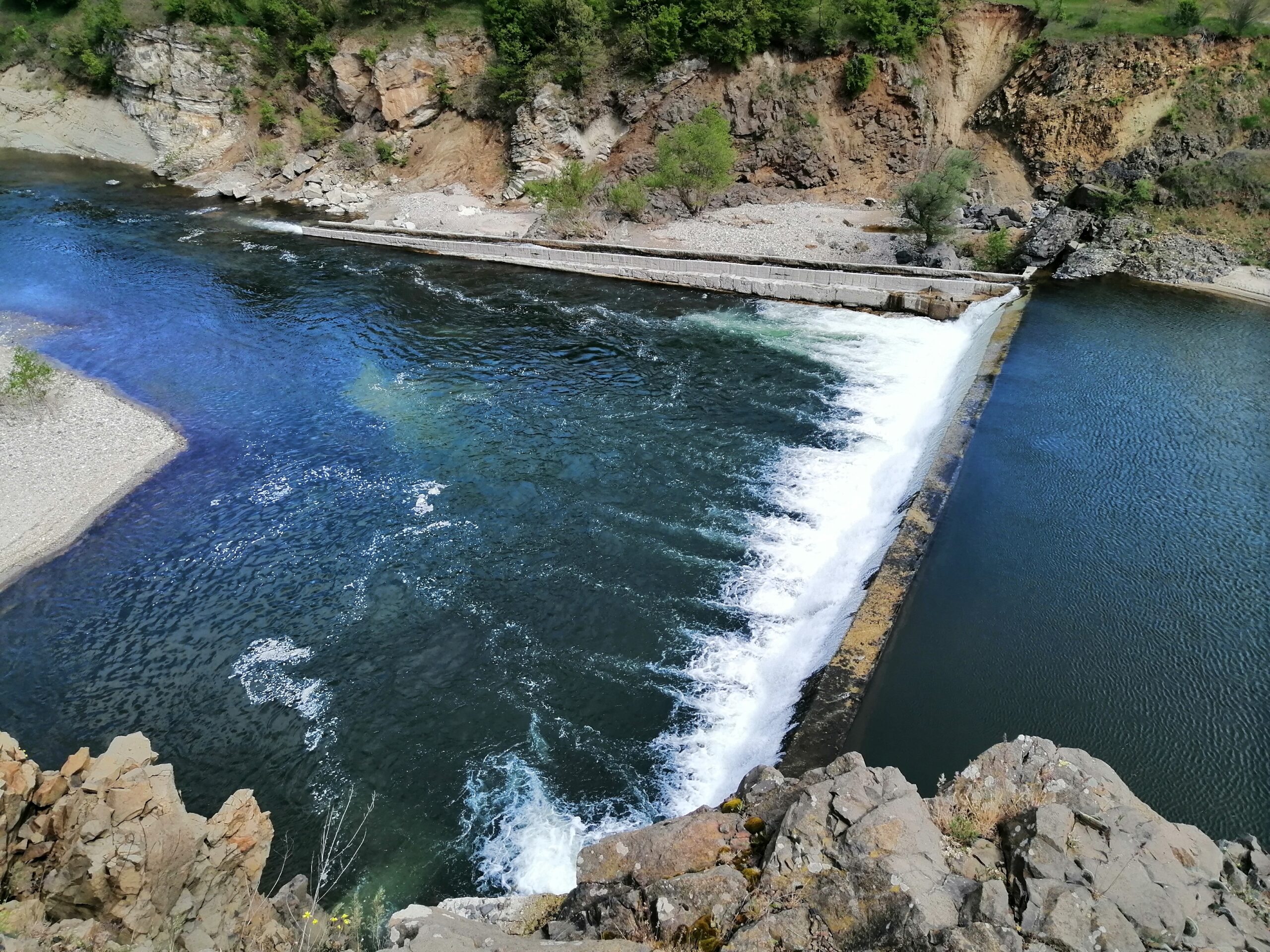
In Bulgaria, we are applying this precise analytical approach with the clear understanding that barrier management is a complex issue. Every analysis accounts for the full spectrum of economic, social, and ecological factors, relying on open local dialogue.
“With this new approach for Bulgaria, it is crucial that we are guided by balancing the interests of all stakeholders,” comments Stefan Avramov, project coordinator for “Rewilding Arda.”
Since Arda is a key part of the Maritsa River basin, its restoration will yield positive impacts for the entire river system of Thrace and serve as a successful blueprint for future national efforts.
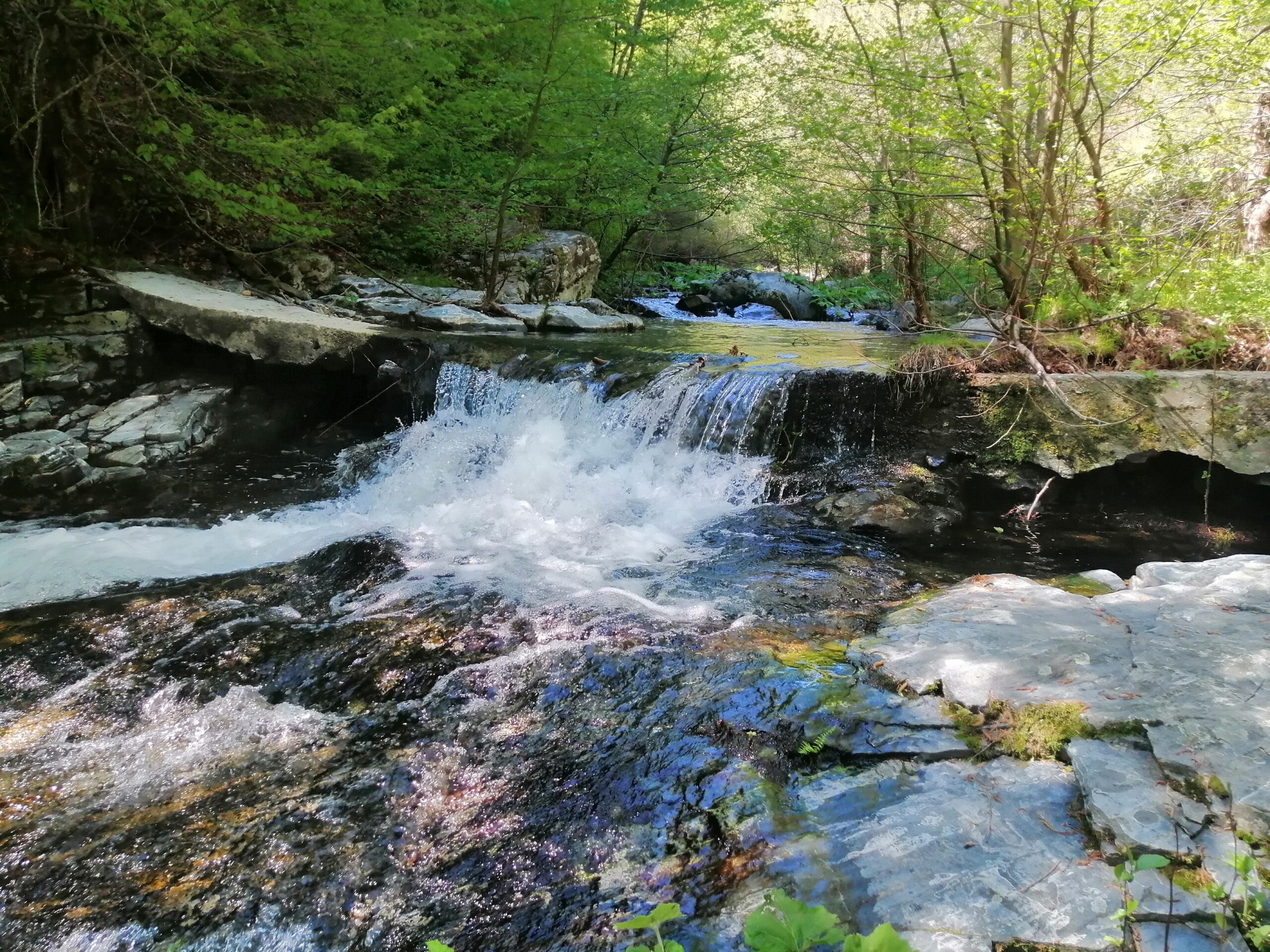
What Lies Ahead?
Fieldwork is complete, and we are currently finalizing the database. Moving forward, the process will be guided by rigorous expert and institutional dialogue:
- Multi-criteria Assessment: Based on the 50 collected indicators, we will select 10 priority barriers whose potential removal would yield the greatest ecological benefits without negatively impacting any basin function (such as erosion control, groundwater maintenance, or economic utility).
- Detailed Studies: For these 10 sites, comprehensive hydrobiological, legal, hydrological, and engineering studies will be conducted, alongside consultations with local communities and relevant institutions.
- Conceptual Solutions: Only after full verification of safety and benefit will conceptual engineering solutions be developed for the 3 most promising structures.
- Long-term Vision: This is the first step in a transparent process aimed at removing up to 3 obsolete and harmful structures over the next 3 to 5 years, and up to 10 structures within a 10-year horizon.
In conclusion, removing obsolete and compromised concrete barriers is not destruction – it is wise restoration. It represents one of the fastest, most cost-effective ways to restore free movement, life, and fish to our rivers, while often protecting downstream infrastructure and mitigating flood risks.
The project “Rewilding Arda“ (officially “Rewilding Arda River (Bulgaria) – prioritization of barriers for removal”) is implemented by the Rewilding Rhodopes Foundation in partnership with the National Museum of Natural History at the Bulgarian Academy of Sciences and the NGO “Balkani Wildlife Society”, with financial support from The European Open Rivers Programme.