Rewilding Arda river

Staffan Widstrand / Rewilding Europe

Rewilding Arda river

Rewilding Arda river

Staffan Widstrand / Rewilding Europe

Rewilding Arda river

Rewilding Arda river

Staffan Widstrand / Rewilding Europe

Rewilding Arda river

A Step Towards Wilder Rivers in the Rhodopes

In March 2026, the Rewilding Rhodopes Foundation launched a 13-month project to restore river connectivity in the Arda River basin. The project aims to identify artificial migration barriers and lay the foundation for their future removal in the Bulgarian section of the river.

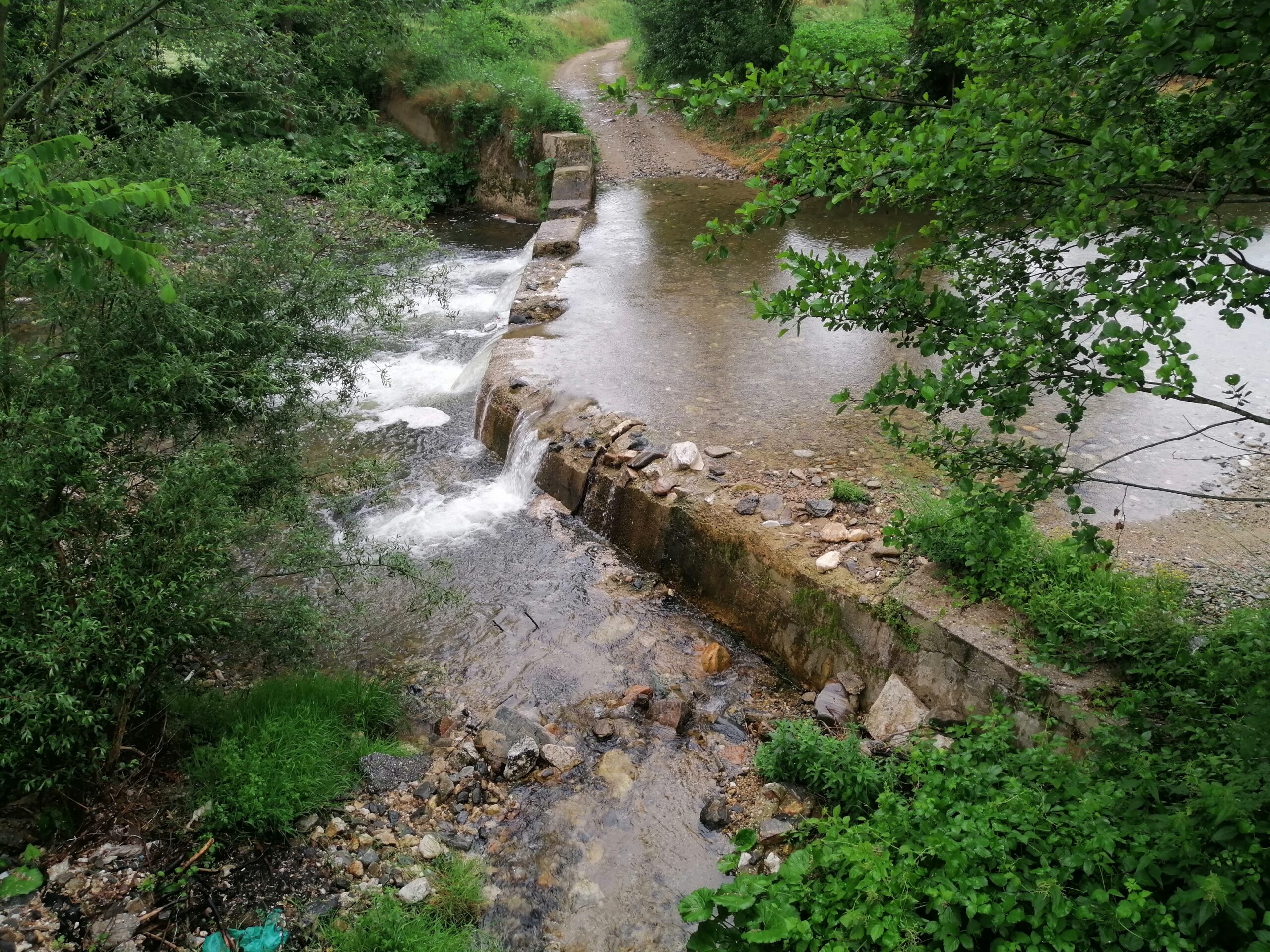
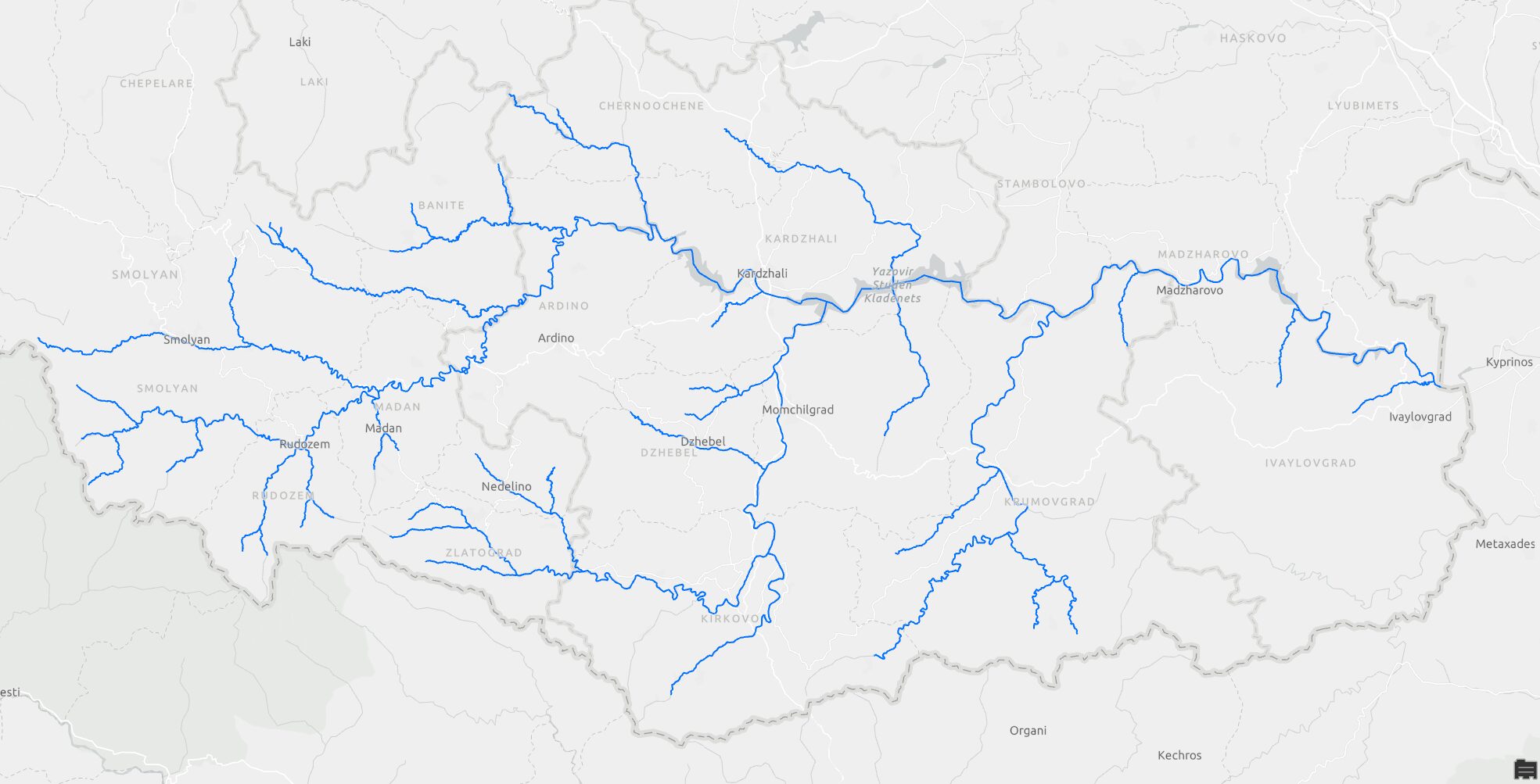
Over the course of the project, a full inventory of artificial migration barriers will be conducted across the Arda River catchment, covering over 750 km of the river network. The initiative will also assess their impact and the possibilities for their safe and effective removal.

Their removal is expected to yield significant environmental benefits and serve as one of the most effective measures for improving river connectivity, ecological health, and biodiversity in the Arda basin. At the same time, it will positively impact local communities by ensuring better water resource management, reducing flood risks, and creating new opportunities for sustainable fishing and nature tourism.
Why restore river ecosystems?

Staffan Widstrand / Rewilding Europe

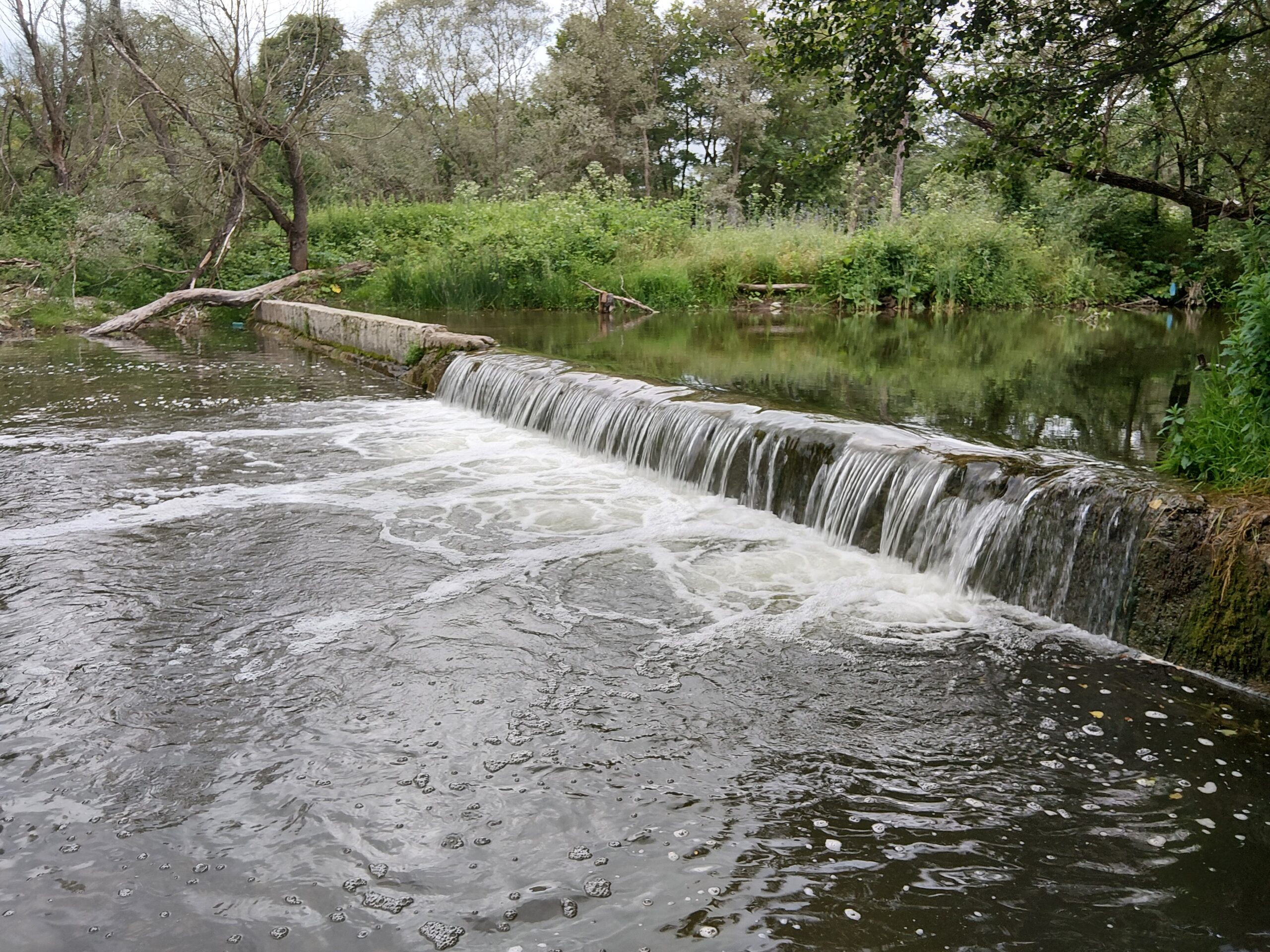
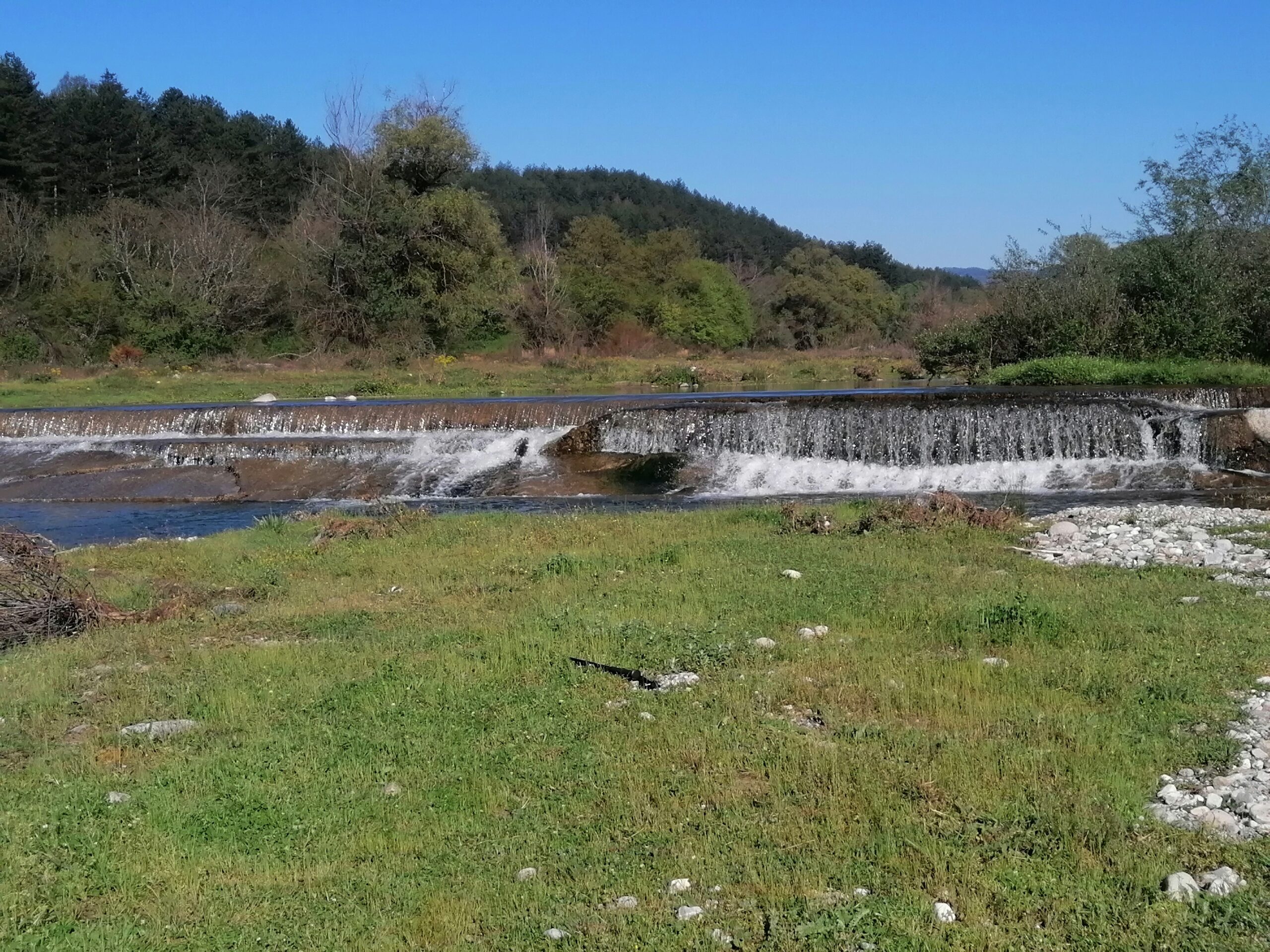
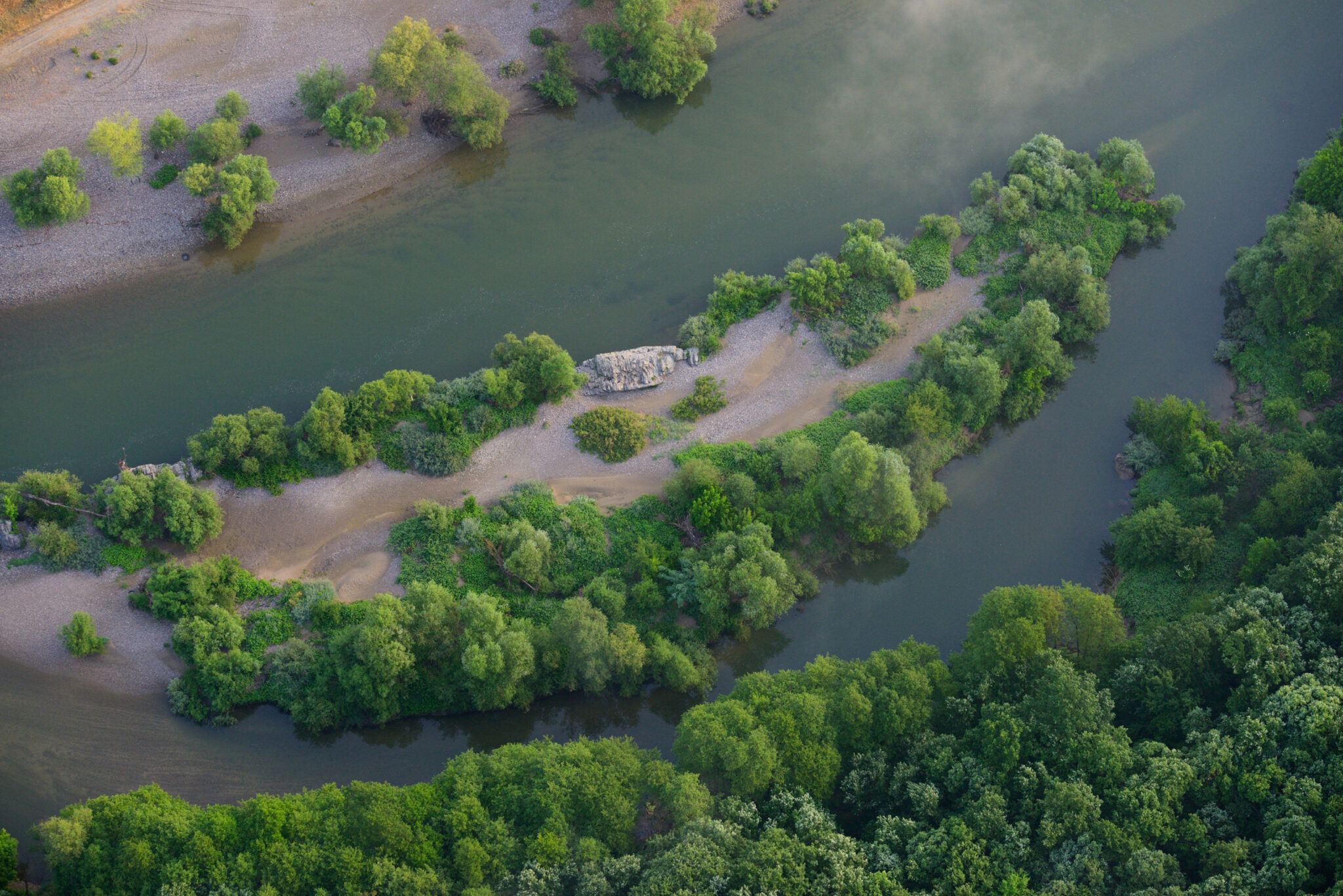
Aquatic biodiversity is among the most threatened by human activity. Artificial barriers in rivers disrupt the natural connectivity of river systems, hinder fish migration, and interrupt sediment transport. This leads to changes in river dynamics, including increased riverbed incision, drying of adjacent territories, and an elevated risk of flooding and infrastructure damage.

Even small structures can have a significant environmental impact, especially during periods of low water levels and high temperatures, when mass losses of fish populations occur. On a broader scale, these barriers fragment habitats and block key migration routes, weakening the resilience of river ecosystems and adversely affecting local communities.

What is the survey looking for?

Nelleke de Weerd

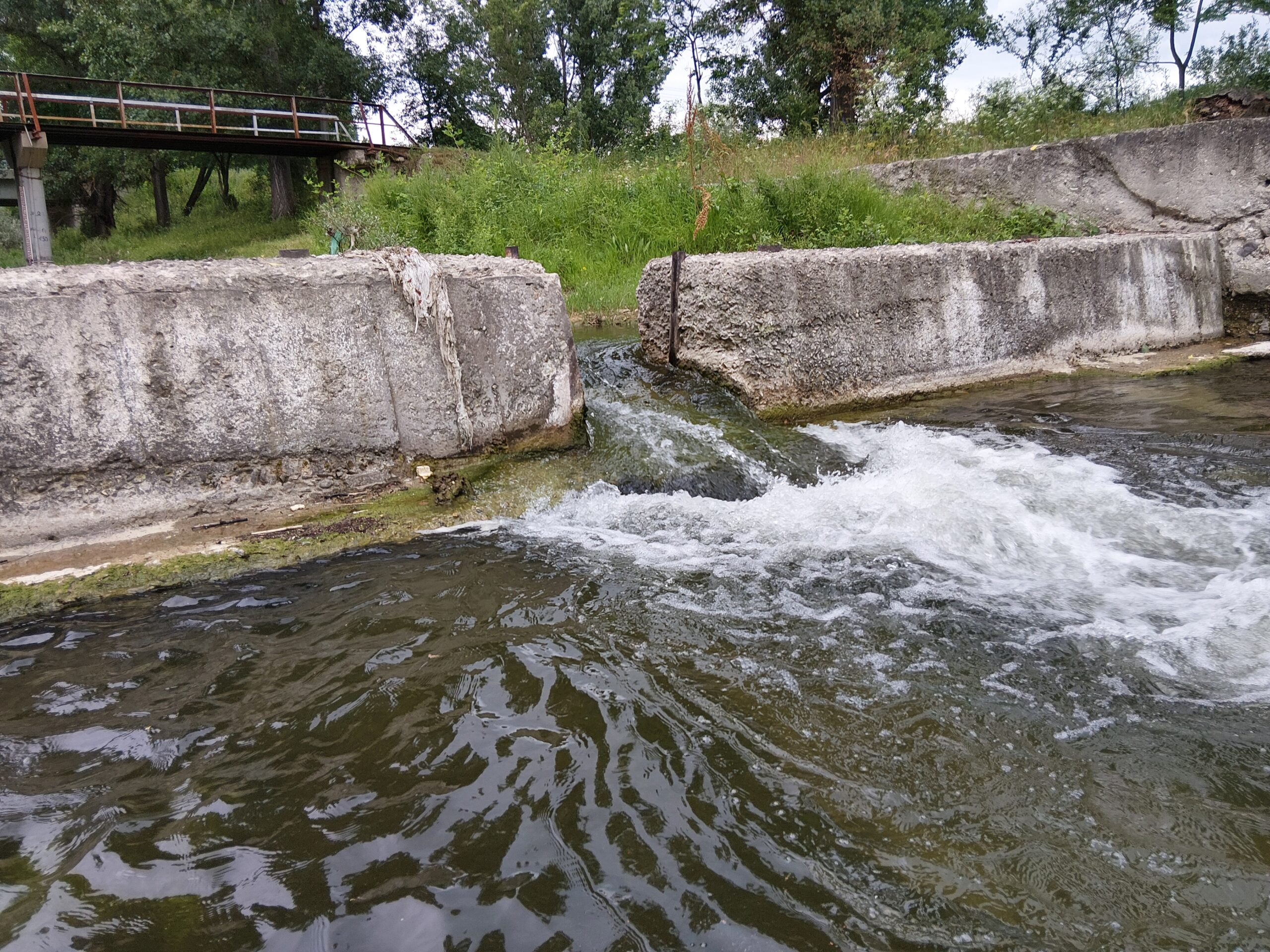
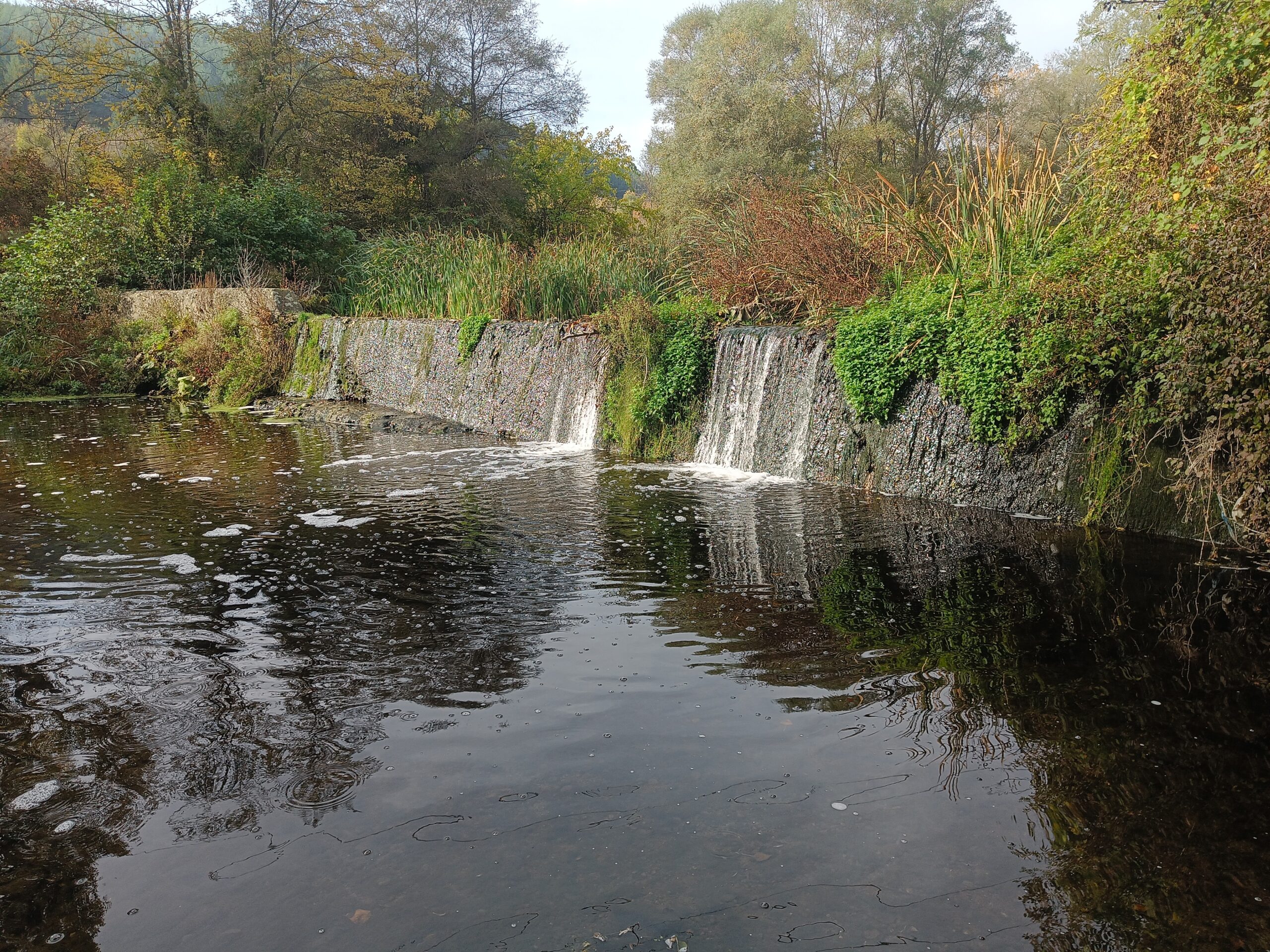
Preliminary studies show that there are hundreds of artificial migration barriers in the Arda River catchment. Some of them are abandoned or deteriorating and no longer serve their original function. At the same time, they continue to require maintenance and management in accordance with regulatory requirements, which highlights the need to assess the feasibility of their removal.

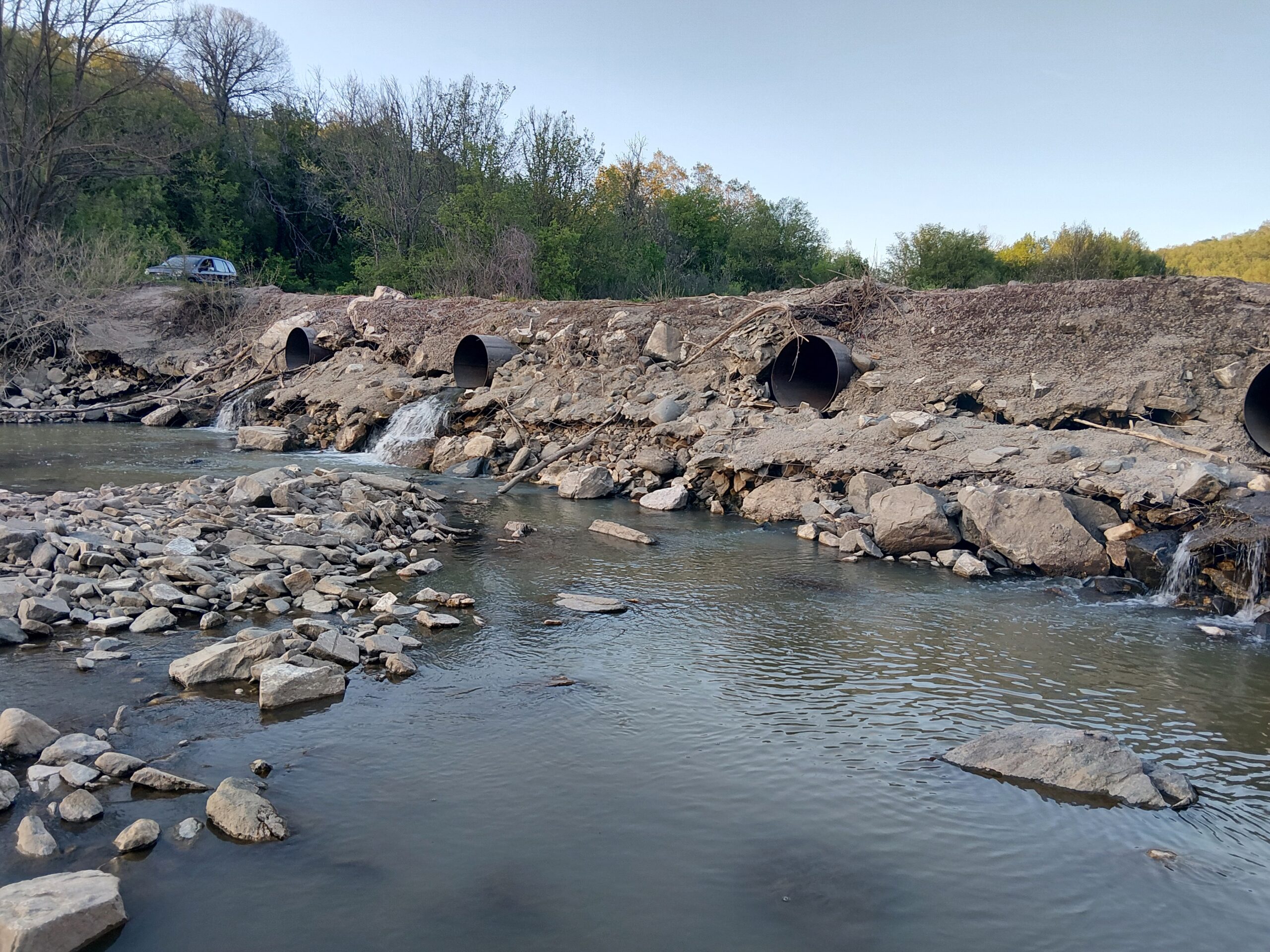
The survey analyzes various types of artificial river structures, including weirs, dams, fords, culverts, and others. In most cases, these are low structures (typically under 2 meters in height) of varying nature and function.

Which rivers will be surveyed?

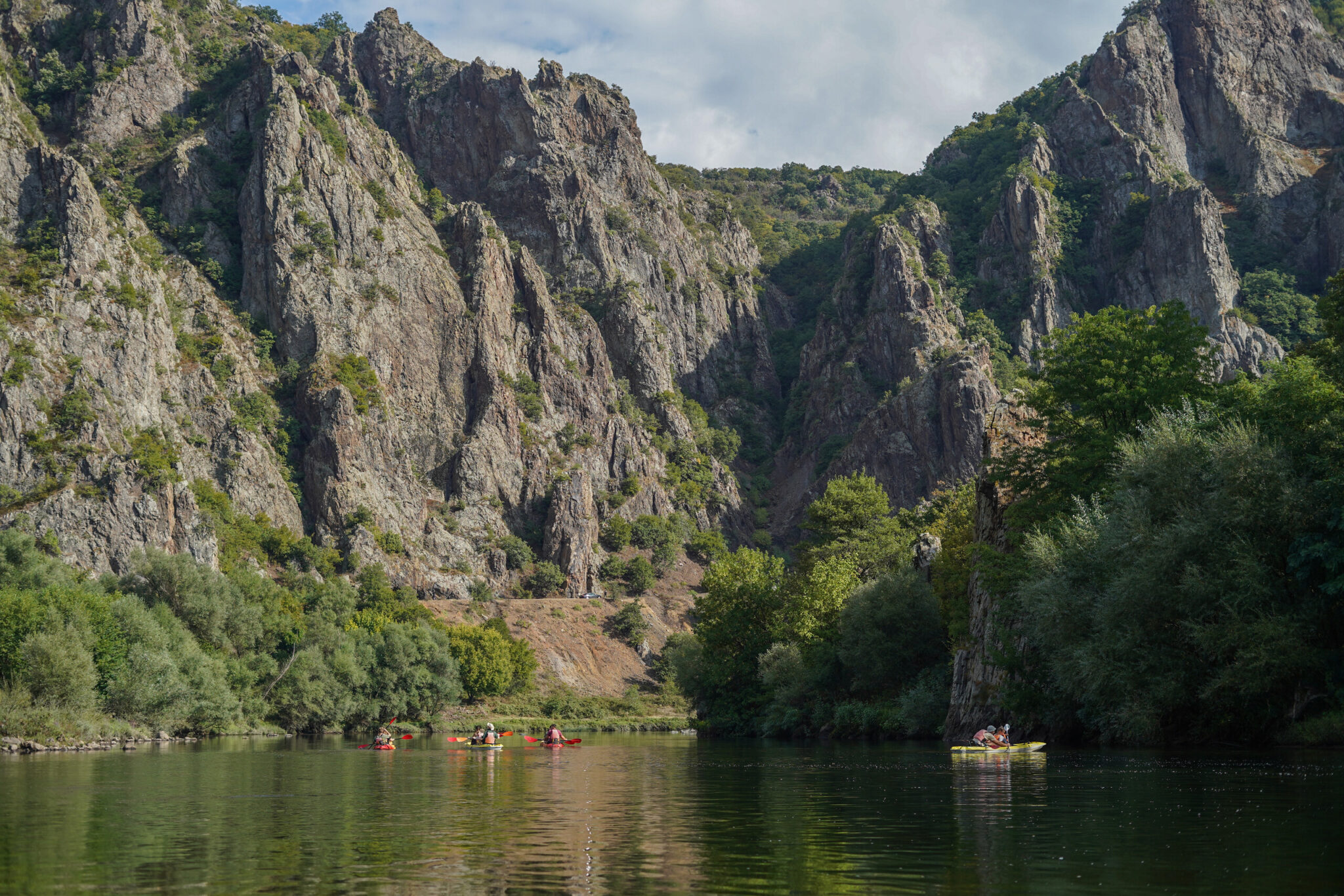
The project covers the main stem of the Arda River, as well as its key tributaries, including the rivers Cherna, Byala, Sivinska, Elhovska, Chepinska, Malka Arda, Davidovska, Gloginsko Dere, Riben Dol, Borovitsa, Perperek, Krumovitsa, Kesebir, Varbitsa, Madanska, Nedelinska, and dozens of others.

The selection of the Arda River basin is based on its high biodiversity, the presence of numerous fish species, and diverse aquatic ecosystems, making it exceptionally well-suited for restoration activities.

How do river barriers affect the Arda's freshwater species?

Staffan Widstrand / Rewilding Europe

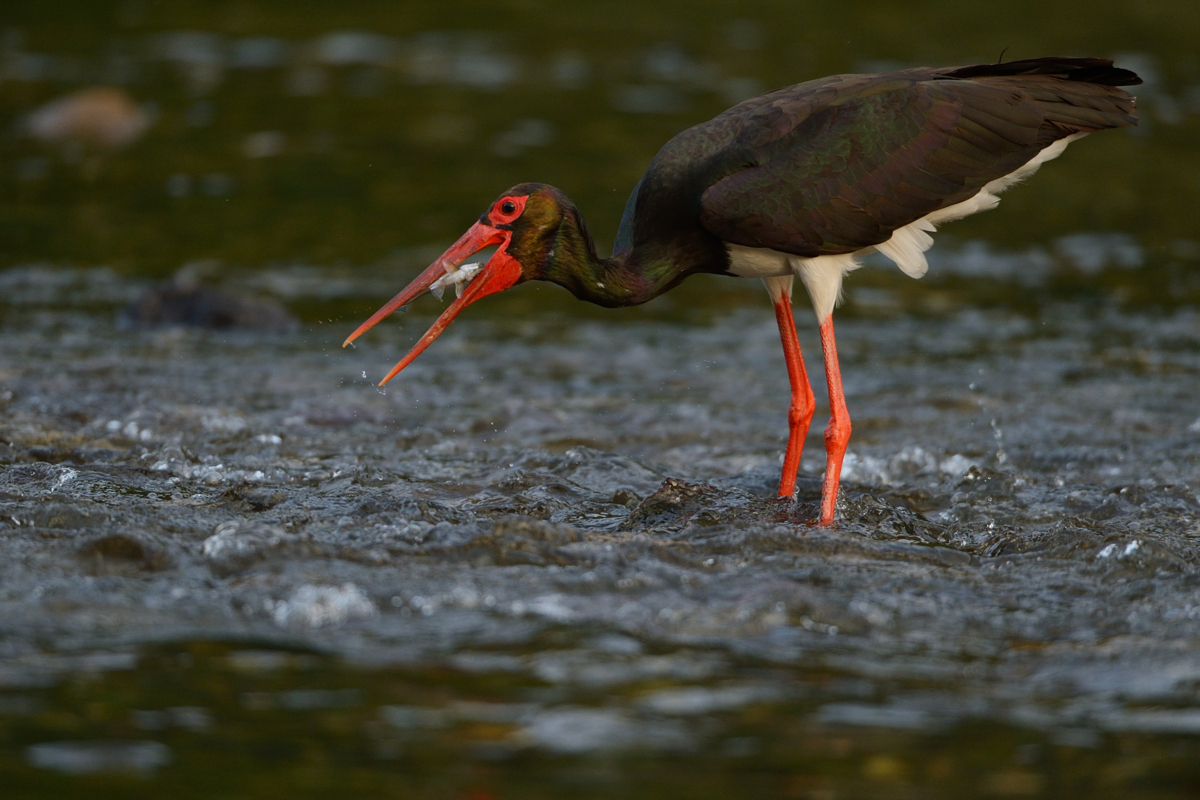
The project covers a number of fish species of high conservation and ecological value native to the Arda River basin. These include the Macedonian trout (Salmo macedonicus), Vardar nase (Chondrostoma vardarense), Dark vimba (Vimba melanops), Struma spined loach (Cobitis strumicae), Aegean barbel (Barbus cyclolepis), Balkan golden loach (Sabanejewia balcanica), Bulgarian gudgeon (Gobio bulgaricus), and Orpheus chub (Squalius orphaeus). Some of these species are highly sensitive to habitat fragmentation and depend on free river migration for their reproduction and survival.

River barriers disrupt the migration routes of these species and prevent them from reaching key spawning grounds. This leads to population decline and fragmentation, and in the long term, to local extinction in specific river stretches.

What are the benefits of restoring river connectivity?

The project contributes to restoring river connectivity and improving the ecological status of rivers by supporting natural ecosystem processes and the conservation of fish populations. Healthy aquatic ecosystems maintain the balance of aquatic organisms, facilitate nutrient cycling, and serve as an indicator of good water quality.

For local communities, this creates opportunities for sustainable fishing, nature tourism, and better water resource management, while also mitigating the risks of droughts and floods.

The project contributes to achieving national and European targets for biodiversity conservation and river ecosystem restoration. As part of the Maritsa River basin, improving the condition of the Arda River has a positive ripple effect on the entire river system and establishes a model for future restoration initiatives.

Project Activities

Within the framework of the project, a comprehensive field survey and analysis of the river network are being conducted to identify and assess artificial migration barriers. The work includes ecological analysis, investigation of the ownership and purpose of the structures, as well as a review of archival maps, photographs, and available documentation. In parallel, hydrological and hydraulic analyses are performed to assess the impact of the barriers and to develop approaches for their safe and effective removal.

Key Activities

  • Inventory and assessment of river barriers through remote sensing and field surveys.

  • Prioritization of sites based on their ecological significance and technical feasibility.

  • Analysis of ownership, legal status, and potential removal procedures.

  • Hydrobiological studies at 10 selected barriers with removal potential.

  • Development of conceptual technical solutions and cost estimates for the three most promising barriers for removal.

  • Stakeholder engagement and consultations.

  • Presentation of results and discussion of next steps.

Based on these findings, up to three removals of obsolete structures are expected to be realized in the medium term (3–5 years). These are structures that yield no economic benefit, are unprofitable to maintain, harm the ecosystem, pose a threat to infrastructure, or increase flood risks. Upon successful implementation, restoration efforts in the Arda basin are expected to accelerate, with a target of up to 10 removals over a 10-year period.

Project Partners

Rewilding Rhodopes Foundation – lead organization with a focus on restoring natural processes and river connectivity in the Rhodope Mountains.

National Museum of Natural History at the Bulgarian Academy of Sciences – scientific partner providing expert support in the field of biodiversity and aquatic ecosystems.

Balkani Wildlife Society – expert partner with long-standing experience in river connectivity projects, including a successfully implemented pilot project for the removal of migration barriers in the Yantra River basin.

The European Open Rivers Programme

The “Arda River Restoration” project is funded by The European Open Rivers Programme—a grant-giving organization dedicated to restoring free-flowing rivers and river biodiversity by removing artificial barriers (www.openrivers.eu).

Modern scientific data, including a large-scale study published in Nature, show that European river systems are heavily fragmented by more than 1.2 million artificial barriers across 36 countries. Their average density is 0.74 structures per kilometer of river, with a significant portion being small structures under 2 meters in height. These are often absent from official registries but have a pronounced cumulative effect on river connectivity.

These widespread structures are a major driver of river fragmentation, leading to habitat degradation, hindering the migration of aquatic organisms, and altering natural hydromorphological processes and flow regimes. At the same time, the study highlights that less impacted river systems still exist, representing key potential for restoring connectivity and biodiversity.

Against this backdrop, The European Open Rivers Programme, established in 2021 by the Arcadia Fund, supports projects across Europe aimed at restoring free-flowing rivers and their associated ecosystem functions, in partnership with local communities and institutions.

  • This field is for validation purposes and should be left unchanged.